It’s time to Travel – a skincare guide

Photo by Shing on Unsplash
With Australians clocking up serious fly-high miles over the holiday season, long-haul flights have become part of the summer routine. Whether you’re heading to Europe, North America or the UK to escape the heat or simply flying interstate, few travellers consider what hours at 30,000′ do to their skin.
Extended flight times, dry cabin air and sudden shifts from Australia’s warm climate to colder destinations can place significant stress on the skin barrier. Understanding how travel affects your skin and how to support it can make all the difference to how you look and feel when you arrive.
Why Flying Takes a Toll on Your Skin
Air travel doesn’t just leave you feeling tired – it creates a perfect storm for skin dehydration and irritation.
-
Extremely low humidity: Aircraft cabin humidity can drop below 20%, rapidly dehydrating the outer layers of the skin and weakening its protective barrier.
-
Increased UV exposure at altitude: UVA rays penetrate aircraft windows, meaning sun exposure can still occur even when it’s cloudy or cold outside.
-
Pressure, recycled air and cold cabins: Lower cabin pressure combined with recycled, cool air can increase skin tightness, dullness and sensitivity.
Even a well-established skincare routine on the ground can be undermined without a little extra preparation when flying.
Pre-Flight Skin Prep: Strengthen Before You Board
Supporting the skin barrier before travel helps your skin cope with long-haul conditions.
-
24 hours before flying: Avoid introducing new products or strong active ingredients such as high-strength retinoids or exfoliating acids. Travel already challenges the skin, so now is not the time to experiment.
-
Focus on hydration: The night before departure, apply a rich, emollient moisturiser and layer a hydrating serum underneath, ingredients like hyaluronic acid and glycerine help the skin retain moisture.
-
Don’t skip sunscreen: Apply a broad-spectrum SPF on the morning of your flight. Window seats, in particular, can expose skin to more UVA radiation than many people realise.
-
Reduce internal stressors: Prioritise sleep, drink plenty of water and limit alcohol and excess caffeine before travel, as both contribute to dehydration and reduced skin resilience.
Post-Flight Skin Recovery: Repair and Rebalance
Once you’ve landed (especially if you’re arriving in a colder climate) your skin will benefit from some immediate TLC.
-
Cleanse gently: Use a mild, non-foaming cleanser to remove impurities without stripping the skin. Avoid physical exfoliation for at least 24 hours.
-
Repair the barrier: Apply a barrier-repair moisturiser containing ceramides, fatty acids and cholesterol, and consider a hydrating mask or overnight treatment to restore comfort and softness.
-
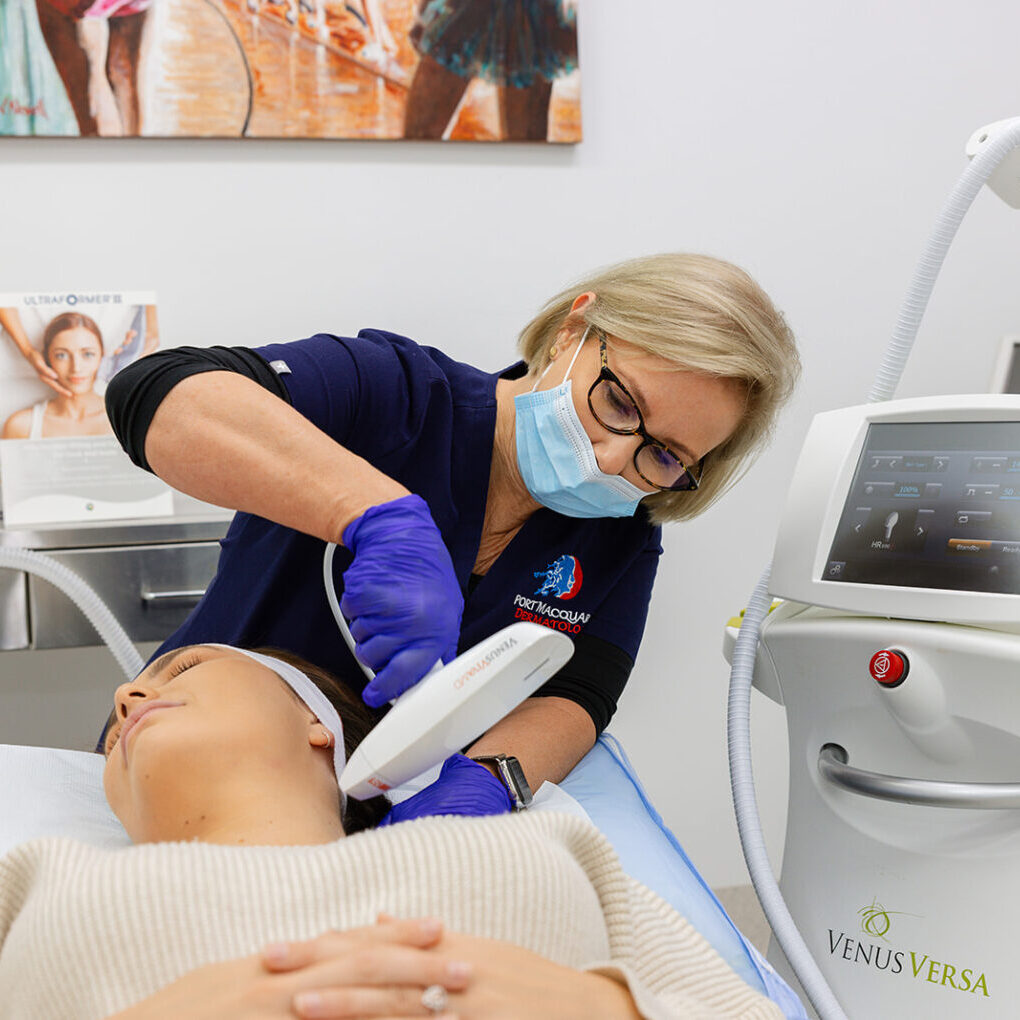
Professional support if needed: If your skin feels unusually tight, red or irritated or you have an event shortly after arriving a gentle in-clinic hydration treatment can help revive your complexion.
-
Ease back into actives: After 24–48 hours, once your skin has adjusted to the new environment, you can gradually return to your usual skincare routine.
Why Travel Skincare Matters
For Australians, long-haul travel often means extreme changes in climate, routine and sleep – all of which impact the skin. By planning ahead and adjusting your skincare before and after flying, you’re protecting one of your most visible assets and helping your skin adapt more smoothly to travel stress.
Safe travels, and here’s to arriving refreshed, comfortable and ready to enjoy the season – wherever your journey takes you.
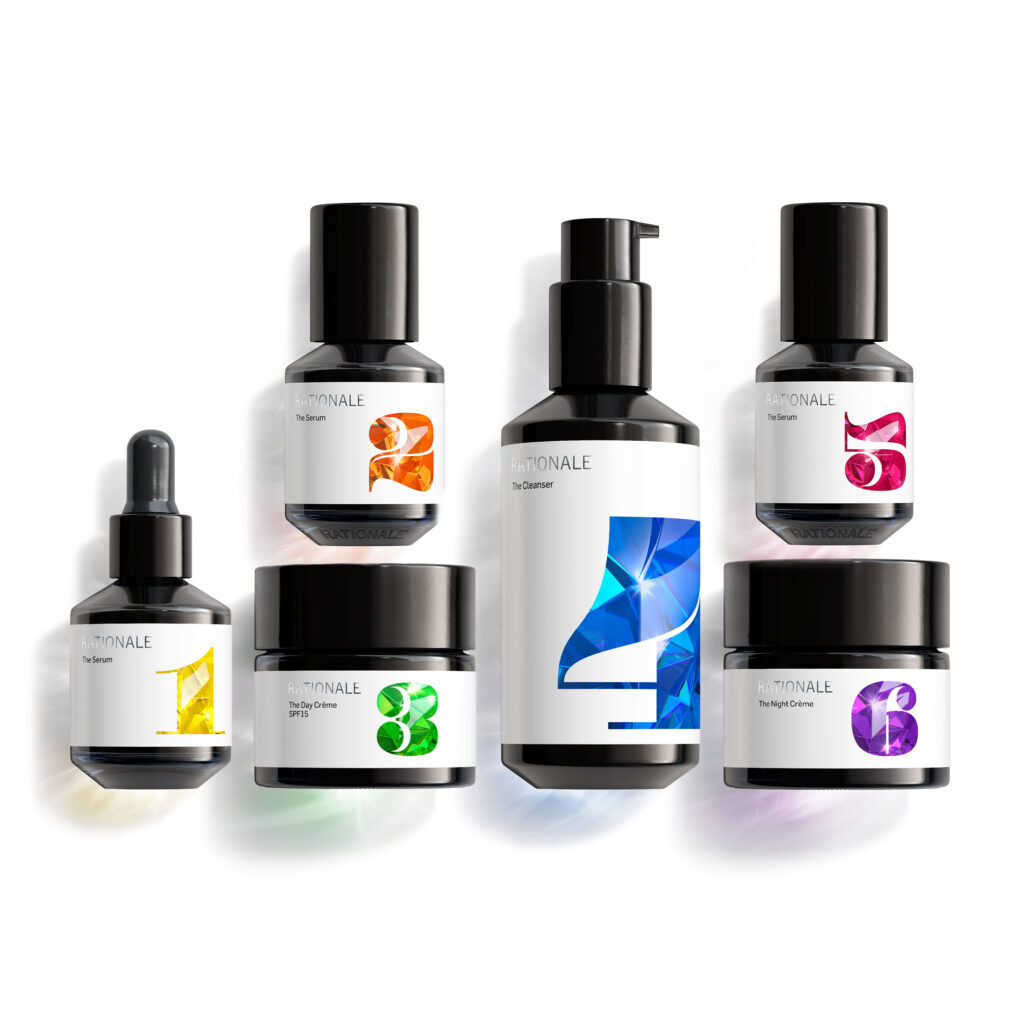
Port Macquarie Dermatology has travel kits available. Contact us now before they sell out.